Samobathi Pain Clinic - 6/Z Umakanta Sen Lane Kolkata 700030
Tel:+91 9830448748

Experience Relief, Embrace Wellness

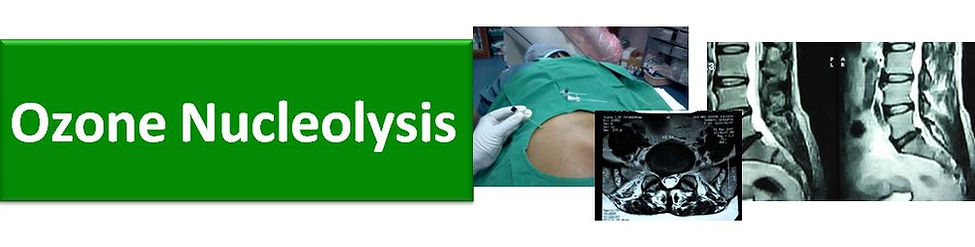
Ozone nucleolysis, or ozonucleolysis, is a minimally invasive percutaneous technique involving the intradiscal injection of an oxygen–ozone (O₂–O₃) gas mixture for the treatment of intervertebral disc herniation. Initially developed in Italy during the 1980s, the procedure has garnered increasing clinical interest as an intermediate therapeutic option between failed conservative management and surgical intervention. This article reviews the current evidence on the biochemical mechanisms of action, clinical efficacy across lumbar and cervical disc pathology, procedural technique, safety profile, and limitations of ozone nucleolysis, drawing upon peer-reviewed literature including systematic reviews, meta-analyses, prospective cohorts, and retrospective studies.
What is Ozone Nucleolysis, or ozone therapy, for a slipped disc?
Ozone Nucleolysis is a minimally invasive, non-surgical procedure designed to treat herniated discs or disc prolapse. This technique utilises the biochemical properties of a gas mixture consisting of oxygen and ozone.
It serves as a safer alternative to chemonucleolysis, other invasive interventions, and traditional disc surgery. The procedure boasts a high success rate, is less invasive, and has fewer chances of recurrence. Additionally, it is associated with significantly fewer side effects.
In which condition is ozone nucleolysis done?
Ozone nucleolysis is usually done for the management of pain due to a slipped disc or a herniated disc
Ozone Nucleolysis: How does it act?
Its action is due to the active oxygen atom (singlet oxygen) liberated from it. It attaches to the proteoglycan bridges in the nucleus pulposus. They are broken down and they are no longer capable of holding water. As a result, the disc shrinks and mummifies, and there is decompression of nerve roots.
Ozone Nucleolysis: Is it safe ?
Yes, it is safer than other procedures. Not a single serious life-threatening complication was found in over 200,000 cases of Ozonucleolysis in different centres of European countries. In a multi-centre, retrospective 3-year follow-up study of lumbar disc herniation treated with the European Neurosurgical Institute protocol of ozone therapy in 917 patients, showed 78.9% good & excellent results were obtained with only one case of disc infection, which healed with antibiotics.
Ghatge SB, Shah RP, Surya N, Sankhala S, Unadkat CJ, Khan GM, Modi DB. Ozone disc nucleolysis in the management of herniated lumbar intervertebral disc: A retrospective analysis. J Craniovertebral Junction Spine. 2023 Jan-Mar;14(1):16-23. doi: 10.4103/jcvjs.jcvjs_141_22. Epub 2023 Mar 13. PMID: 37213581; PMCID: PMC10198213.
Ozone Nucleolysis: the procedure -
Ozone nucleolysis is a minimally invasive percutaneous procedure in which a fine needle is inserted through the skin into the affected intervertebral disc under CT or C-Arm (fluoroscopy) guidance for accurate placement. A freshly generated oxygen-ozone (O₂–O₃) mixture, typically at a concentration of 29–30 microgram/ml, is then injected immediately, as ozone must be used soon after generation. Usually 3–10 ml of the gas mixture is delivered into the centre of the disc (intradiscal injection), and in selected cases it may be combined with targeted injection around the irritated nerve root, depending on the clinical situation. The aim is to reduce disc-related pressure and calm inflammation around the nerve, helping relieve pain without open surgery. The procedure is generally performed as a day-care, image-guided intervention, takes a short time, involves minimal tissue trauma, and allows most patients to return home the same day. Procedure is safe and quick, and in properly selected patients, many improve significantly.
Ozone Nucleolysis: ozone therapy for slip disc
(Treatment of Slipped Disk without Surgery)


Ozone Nucleolysis: An Evidence-Based Review of Mechanisms, Efficacy, and Safety in the Management of Intervertebral Disc Herniation
1. Introduction
Low back pain (LBP) is among the most prevalent musculoskeletal disorders worldwide, with a lifetime prevalence ranging from 11% to 84% across various populations [1]. Lumbar disc herniation (LDH) is one of its most common structural causes, arising when the nucleus pulposus (NP) protrudes through a weakness or tear in the annulus fibrosus, potentially compressing adjacent nerve roots and triggering radiculopathy [2, 3]. Management strategies span a spectrum from conservative care — including physiotherapy, analgesics, and corticosteroid injections — to surgical discectomy for refractory or severe cases. However, surgery carries inherent procedural risks, including infection, epidural fibrosis, neurological injury, and prolonged recovery [4].
Ozone nucleolysis occupies an important niche between these extremes. First reported in clinical use by Italian orthopaedic surgeon Dr. Carlo Verga in the 1980s, and subsequently adapted for image-guided intradiscal delivery by Muto et al. in 1998 [5], ozone therapy has since been evaluated in thousands of patients globally. Its appeal lies in its minimally invasive nature, low complication profile, cost-effectiveness, and rapid recovery time.
2. Biochemical and Molecular Mechanisms of Action
2.1 Oxidation of Nucleus Pulposus Proteoglycans
The nucleus pulposus is a gel-like structure composed predominantly of water (approximately 70–90%), type II collagen, and proteoglycans — chiefly aggrecan, which contains long chains of glycosaminoglycans (GAGs) such as chondroitin sulphate and keratan sulphate. These highly hydrophilic macromolecules are responsible for the disc's hydration and load-bearing capacity [6].
When an O₂–O₃ mixture is injected into the disc, ozone dissolves in the intradiscal fluid and reacts with the proteoglycans and glycosaminoglycans present in the nucleus pulposus [7]. The dissolved ozone oxidises and disrupts the three-dimensional configuration of macromolecules including galactose, glucuronic acid, glycine, and 4-hydroxyproline [7]. As a result, proteoglycans lose their capacity to bind and retain water, leading to dehydration, shrinkage, and eventual "mummification" of the nucleus pulposus — a process that results in mechanical decompression of adjacent nerve roots [5, 8].
Mathematical disc modelling (Murphy et al.) predicts that therapeutic ozone doses produce a disc volume reduction of approximately 6%, correlating with a disc height reduction of 0.025 cm and a 9.84% drop in intradiscal pressure [9]. This seemingly modest volumetric reduction translates into disproportionately significant pressure relief, reflecting the hydraulic principles governing closed disc compartments.
2.2 Anti-Inflammatory Mechanisms via Nrf2/NF-κB Modulation
Beyond its mechanical decompressive effect, ozone exerts potent anti-inflammatory actions through modulation of key transcriptional pathways. At therapeutic concentrations (typically 25–40 µg/ml), ozone induces mild oxidative stress, which activates nuclear factor erythroid 2-related factor 2 (Nrf2) — a master regulator of antioxidant gene expression [10]. Nrf2 activation drives the transcription of antioxidant response elements (ARE), upregulating enzymes such as superoxide dismutase (SOD), glutathione peroxidase (GPx), catalase (CAT), and heme-oxygenase-1 (HO-1) [10].
Critically, Nrf2 activation concurrently suppresses nuclear factor kappa B (NF-κB), a pivotal pro-inflammatory transcription factor. NF-κB drives the expression of cyclo-oxygenase-2 (COX-2), prostaglandin E2 (PGE2), tumour necrosis factor-α (TNF-α), and interleukins that sustain the inflammatory cascade around the herniated disc-nerve root interface [10, 11]. Additionally, ozone inhibits the NLRP3 inflammasome and leukotriene B4, further dampening the neuroinflammatory response responsible for radicular pain [11].
2.3 Concentration-Dependent Therapeutic Window
Ozone's biological actions are highly concentration-dependent. At concentrations below 1%, no meaningful cellular response occurs. Within the therapeutic range of 25–30 µg/ml, ozone activates a hormetic cellular response that confers anti-inflammatory and dehydrative benefits [12]. Above 40 µg/ml, ozone becomes cytotoxic and may cause tissue injury [12]. Most published trials and protocols employ concentrations of 27–30 µg/ml for intradiscal injection, with 5 ml as the standard volume.
2.4 Mechanism in Extruded vs. Contained Disc Herniation
The mechanism differs depending on whether the herniation is contained (nucleus intact within the annulus) or extruded (nucleus breaching the annulus). In contained herniation, ozone directly oxidises intradiscal proteoglycans, reducing volume and pressure. In extruded herniation, the extruded nucleus pulposus material is recognised by the host immune system as a foreign body, triggering an immunogenic inflammatory response. Here, ozone's primary role is immunomodulatory — suppressing the cytokine cascade, reducing periradicular inflammation, and potentially accelerating resorption of the extruded fragment [13].
3. Procedural Technique
3.1 Patient Selection
Ozone nucleolysis is indicated for patients with symptomatic lumbar or cervical disc herniation (bulging, protruded, or extruded) confirmed on MRI, with clinical signs and symptoms correlating with radiological findings, who have failed conservative management for a minimum of four to six weeks [8, 14]. Contraindications include motor deficits, cauda equina syndrome, disc sequestration, severe disc degeneration, infection, malignancy, coagulation disorders, and pregnancy [14].
3.2 Injection Protocol
The procedure is performed under fluoroscopic or CT guidance, with the patient in the prone position. After antibiotic prophylaxis and conscious sedation, a spinal needle is inserted using a posterolateral (lumbar) or lateral (cervical) approach into the target disc. Intradiscal injection of the O₂–O₃ mixture (typically 5 ml at 27–30 µg/ml) is followed by periradicular injection of the same mixture (5–10 ml), often combined with a corticosteroid and/or local anaesthetic to address concurrent epidural inflammation [8, 14, 15]. The procedure is typically performed as a single-session outpatient treatment with a short recovery period.
4. Clinical Evidence
4.1 Lumbar Disc Herniation
Prospective and retrospective cohorts: A large retrospective analysis by Shah et al. (2023) covering 2,089 patients with lumbar disc herniation treated with a single session of intradiscal ozone–oxygen injection (ozone nucleolysis) over 14 years (May 2007–May 2021) demonstrated sustained pain relief and functional improvement on VAS and ODI scales [2]. The age range was 18 to 88 years (mean 60), with 58% males and 42% females.
A prospective cohort by Steppan et al. (2018) of 52 patients (aged 27–87 years) with contained and uncontained lumbar disc herniations reported a significant decrease in pain and disability in 74–76% of patients at 2-month follow-up, improving marginally to 76–78% at 6 months (p < 0.001) [8]. No complications were recorded. The authors concluded that ozone nucleolysis is a safe, cost-effective technique suitable for both contained and uncontained herniations.
A 2024 study published in Clinical Rheumatology (Kharrat et al.) evaluated 34 patients (17–76 years, mean 46.7 ± 11.2 years) treated with a single intradiscal dose (5 ml, 30 µg/ml) under fluoroscopic guidance. VAS scores indicated pain improvement in 85% of patients, with 82% achieving satisfactory outcomes per modified MacNab criteria [15]. MRI follow-up confirmed reductions in herniated disc surface area and disc height changes.
A recent retrospective single-centre study published in Medical Science Monitor (2025) evaluated 149 patients treated between 2022 and 2024. Ozone nucleolysis significantly decreased VAS and Oswestry Disability Index (ODI) scores at 1 month, 3 months, 6 months, and 1 year post-procedure, with the procedure found to be optimally effective in managing herniated lumbar intervertebral disc with a significant reduction in the disability rate [16].
Large-scale series: A prospective cohort by Nabil et al. (2012) examined 53 adult patients with lumbar disc prolapse of more than four weeks' duration. Ozone nucleolysis produced significant reductions in pain and disability, although the authors noted limitations of lack of a control group and blinding [1].
4.2 Cervical Disc Herniation
Cervical disc herniation presents as neck pain, upper limb radiculopathy, or myelopathy and is traditionally managed conservatively or surgically. Evidence for ozone nucleolysis in the cervical spine is more limited but growing.
A prospective study of 246 consecutive patients (Ghatge et al., 2022) treated from January 2008 to December 2020 with a single session of intradiscal ozone–oxygen injection for cervical disc herniation reported dramatic improvements: mean baseline VAS of 7.87 fell to 3.09 at 1 month, 1.42 at 3 months, and 1.35 at 1 year. The mean Neck Disability Index (NDI) improved from 36.27 at baseline to 6.22 at 1 year (p < 0.05) [12].
Systematic review and meta-analysis: Mulik et al. (2024) published a systematic review and meta-analysis in Cureus examining five studies on ozone nucleolysis for cervical disc herniation. The pooled analysis demonstrated a statistically significant reduction in VAS scores compared to baseline (standardised mean difference 2.78; 95% CI = 1.48–4.07; p < 0.0001), confirming that ozone nucleolysis is effective, safe, and minimally invasive for cervical disc herniation [17]. Approximately 14.64% of patients reported minor adverse events. The authors concluded that well-designed randomised controlled trials are required to confirm long-term superiority over other treatment modalities.
4.3 Comparison with Other Minimally Invasive Techniques
Ozone chemonucleolysis has been shown to achieve therapeutic success rates of 70–80%, comparable to other percutaneous techniques such as laser discectomy, nucleoplasty, and radiofrequency coblation, but at substantially lower cost and with a more favourable complication profile [8]. Unlike surgical discectomy, ozone nucleolysis does not involve epidural dissection, removing the risk of post-surgical epidural fibrosis and dural injury.
5. Safety Profile and Complications
Ozone nucleolysis is widely regarded as a safe procedure when performed by trained practitioners adhering to recommended concentration thresholds. The majority of published series report no major complications [8, 15, 16]. Minor adverse events — including transient post-procedural pain, mild dizziness, and local discomfort — have been reported in a small subset of patients (approximately 14–15%) [17].
Potential but rare serious complications associated with intradiscal injection (shared by all percutaneous disc procedures) include discitis, vascular injury, pneumothorax (cervical approach), and neurological injury. These are mitigated by strict aseptic technique, antibiotic prophylaxis, and fluoroscopic/CT guidance.
A 2022 study in the Journal of Clinical Medicine (Leoni et al.) additionally assessed radiation exposure during fluoroscopy-guided ozone chemonucleolysis and highlighted the importance of optimising radiation dose to minimise cumulative exposure for both patients and operators [18].
A 2025 mixed-methods study published in MDPI Journal of Imaging examined whether intramuscular O₂–O₃ administration could achieve disc penetration comparable to intradiscal nucleolysis while minimising procedural risk. The intramuscular route showed a more favourable safety profile and comparable pain outcomes in selected populations, suggesting its potential as an alternative in higher-risk patients [19].
6. Limitations of Current Evidence
Despite accumulating clinical data, several important limitations exist in the evidence base for ozone nucleolysis:
-
Absence of large-scale randomised controlled trials (RCTs): Most published studies are retrospective or non-randomised prospective analyses, limiting the ability to control for confounders and establish definitive superiority over comparators.
-
Heterogeneity in protocols: Variability in ozone concentration (25–40 µg/ml), volume injected (3–10 ml), guidance modality (CT vs. fluoroscopy), and use of adjunctive agents (steroids, local anaesthetics) makes cross-study comparisons difficult.
-
Short follow-up in some studies: Long-term efficacy beyond one year remains incompletely characterised in several series.
-
Publication bias: The predominance of positive outcomes in published literature may reflect publication bias, underrepresenting null or negative results.
-
Lack of standardised outcome measures across all studies: While VAS and ODI are commonly used, inconsistent use of validated functional and quality-of-life tools limits synthesisability.
7. Conclusions
Ozone nucleolysis represents a well-tolerated, cost-effective, and minimally invasive approach for managing intervertebral disc herniation at both lumbar and cervical levels. Its dual mechanism — mechanical decompression through oxidative dissolution of nucleus pulposus proteoglycans, and biochemical anti-inflammatory action via Nrf2/NF-κB modulation — offers a physiologically rational basis for clinical efficacy. Multiple cohort studies, large-scale retrospective series, and a recent meta-analysis confirm statistically significant and clinically meaningful reductions in pain and disability with an acceptable safety profile.
However, the evidence base remains constrained by a paucity of high-quality RCTs, heterogeneity in technique, and limited long-term data. Future research should prioritise well-designed, adequately powered randomised trials with standardised protocols, sham controls, and long-term follow-up to definitively establish ozone nucleolysis as a guideline-endorsed treatment modality.
References
-
Nabil S, Khan G, Ghate S. Ozone nucleolysis for management of pain and disability in prolapsed lumbar intervertebral disc: a prospective cohort study. PMC. 2012. PMCID: PMC3299380.
-
Shah RP, Ghatge SB, Sankhala S, et al. Ozone disc nucleolysis in the management of herniated lumbar intervertebral disc. Journal of Craniovertebral Junction and Spine. 2023;14(1):4. DOI: 10.4103/jcvjs.jcvjs_148_22.
-
Rider SM, Mizuno S, Kang JD. Molecular mechanisms of intervertebral disc degeneration. Spine Surgery and Related Research. 2019;3(1):1–11.
-
Schoenfeld AJ, Weiner BK. Treatment of lumbar disc herniation: evidence-based practice. International Journal of General Medicine. 2010;3:209–214.
-
Muto M, Avella F. Percutaneous treatment of herniated lumbar disc by intradiscal oxygen-ozone injection. Interventional Neuroradiology. 1998;4(4):279–286.
-
Jahnke MR, McDevitt CA. Proteoglycans of the human intervertebral disc. Electrophoretic heterogeneity of the aggregating proteoglycans of the nucleus pulposus. Biochemical Journal. 1988;251(2):347–356.
-
Medscimonit Editorial. Effects of ozone disc nucleolysis in management of herniated lumbar intervertebral disc: a retrospective single-center study of 149 patients. Medical Science Monitor. 2025. DOI: 10.12659/MSM.944645.
-
Steppan J, Meaders T, Muto M, Murphy KJ. Percutaneous ozone nucleolysis for lumbar disc herniation. PMC. 2018. PMCID: PMC6208962.
-
Murphy K, Elias G, Steppan J, et al. Percutaneous treatment of herniated lumbar discs with ozone: investigation of the mechanisms of action. Journal of Vascular and Interventional Radiology. 2016;27(8):1242–1250.
-
Bocci V, Borrelli E, Travagli V, Zanardi I. Mechanisms of action involved in ozone therapy: is healing induced via a mild oxidative stress? PMC. 2011. PMCID: PMC3298518.
-
Franzini M, Valdenassi L, Ricevuti G, et al. Mechanisms of action of ozone therapy in emerging viral diseases: immunomodulatory effects and therapeutic advantages with reference to SARS-CoV-2. Frontiers in Microbiology. 2022;13:871645.
-
Ghatge SB, Shah RP, Surya N, et al. Ozone disc nucleolysis in cervical intervertebral disc herniation: a nonrandomized prospective analysis in 246 patients. Journal of Craniovertebral Junction and Spine. 2022;13(2):114–120.
-
Erario MLA, Croce E, Moviglia Brandolino MT, Moviglia G, Grangeat AM. Ozone as modulator of resorption and inflammatory response in extruded nucleus pulposus herniation: revising concepts. PMC. 2021. PMCID: PMC8469341.
-
Andreula C, Muto M, Leonardi M. Interventional spinal procedures. European Journal of Radiology. 2004;50(2):112–119.
-
Kharrat A, Elmounedi N, Tmar MA, et al. Effectiveness of ozone nucleolysis in alleviating pain and enhancing function in lumbar sciatica due to disc herniation: a minimally invasive approach. Clinical Rheumatology. 2024. DOI: 10.1007/s10067-024-07255-1.
-
[Author Group]. Effects of ozone disc nucleolysis in management of herniated lumbar intervertebral disc: a retrospective single-center study of 149 patients. Medical Science Monitor. 2025. DOI: 10.12659/MSM.944645.
-
Mulik V, Desai A, Shah C, et al. Ozone disc nucleolysis for cervical intervertebral disc herniation: a systematic review and meta-analysis. Cureus. 2024;16(5):e60000. PMCID: PMC11162285.
-
Leoni ML, Vitali S, Micheli F, et al. Radiation exposure during fluoroscopy-guided ozone chemonucleolysis for lumbar disc herniation. Journal of Clinical Medicine. 2022;11(24):7424. PMCID: PMC9781015.
-
Valdenassi L, Simonetti V, Bertossi D, et al. How safe are oxygen–ozone therapy procedures for spine disc herniation? The SIOOT protocols for treating spine disorders. Journal of Imaging (MDPI). 2025;11(12):428.
This article is intended for educational purposes and should not replace clinical judgment. Practitioners should refer to current institutional guidelines and consult appropriate specialists before undertaking ozone nucleolysis.