

Understanding Atypical Facial Pain Causes

Living with facial pain that doesn’t fit the usual patterns can be confusing and frustrating. Atypical facial pain is a complex condition that often leaves people searching for answers. What exactly causes this kind of pain? How can you manage it without surgery? In this post, I will walk you through the key aspects of atypical facial pain causes, helping you understand this condition better and explore practical ways to find relief.
What Is Atypical Facial Pain?
Atypical facial pain is a persistent, often chronic pain that affects the face but does not follow the typical patterns of well-known facial nerve disorders like trigeminal neuralgia. Unlike sharp, stabbing pain, atypical facial pain tends to be dull, aching, or burning. It can affect one or both sides of the face and may last for hours, days, or even longer.
This pain can interfere with daily activities such as eating, speaking, or even smiling. Because it doesn’t have a clear cause or pattern, many people feel misunderstood or misdiagnosed. Understanding the underlying reasons behind this pain is the first step toward effective management.
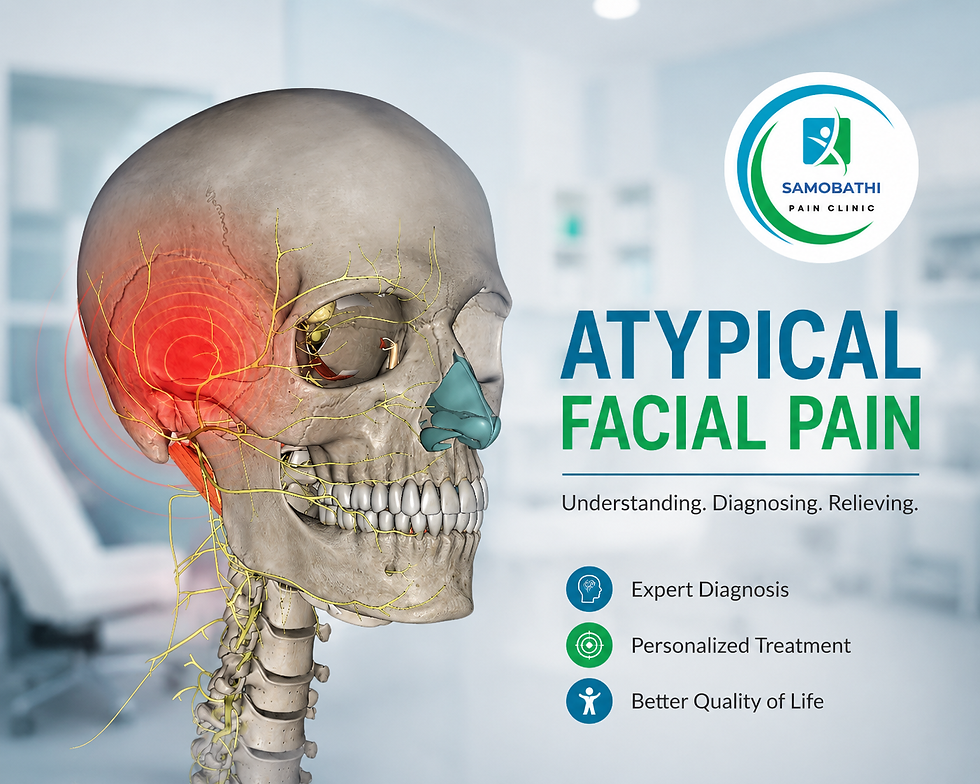
Exploring Atypical Facial Pain Causes
When it comes to atypical facial pain, the causes are often varied and sometimes difficult to pinpoint. Unlike typical facial pain caused by nerve compression or injury, atypical facial pain may arise from multiple sources. Here are some common factors that contribute to this condition:
Nerve Damage or Dysfunction: Sometimes, nerves in the face become damaged or irritated without a clear injury. This can cause abnormal pain signals.
Muscle Problems: Tension or spasms in the facial muscles can lead to persistent discomfort.
Dental Issues: Problems like tooth infections or jaw misalignment may trigger facial pain.
Sinus Infections: Chronic sinusitis can cause pressure and pain in the facial area.
Neuropathic Pain: This is pain caused by nerve malfunction, often without visible injury.
Psychological Factors: Emotional stress and anxiety can amplify pain perception.
It’s important to note that the causes of atypical facial pain are often intertwined. For example, nerve irritation might be worsened by muscle tension or stress. This complexity is why a thorough evaluation by a pain specialist is crucial.
Can Stress Cause Atypical Facial Pain?
Stress is a powerful factor that can influence many types of chronic pain, including atypical facial pain. When you are stressed, your body releases chemicals that can increase sensitivity to pain. Stress also causes muscle tension, especially in the jaw and neck, which can worsen facial discomfort.
Have you noticed your facial pain flares during stressful times? This is a common experience. Stress doesn’t just make pain worse; it can sometimes trigger the onset of pain in people who are already vulnerable.
Managing stress through relaxation techniques, mindfulness, or counselling can be a valuable part of a pain management plan. Combining stress reduction with other treatments often leads to better outcomes.

How Is Atypical Facial Pain Diagnosed?
Diagnosing atypical facial pain can be challenging because it mimics other conditions. A detailed medical history and physical examination are essential. Your doctor may ask about:
The nature and location of your pain
Any triggers or relieving factors
Previous dental or medical treatments
Emotional and psychological health
Imaging tests like MRI or CT scans might be ordered to rule out structural problems such as tumors or nerve compression. Sometimes, nerve conduction studies help assess nerve function.
Because atypical facial pain does not have a single identifiable cause, diagnosis often involves ruling out other conditions. This process can take time but is necessary to tailor the right treatment.
Non-Surgical Treatment Options for Atypical Facial Pain
If you are looking for relief without surgery, there are several effective options to consider. Non-surgical treatments focus on managing symptoms and improving quality of life. Here are some approaches that have helped many people:
Atypical facial pain is often managed using a combination of medications, physical therapy, psychological support, lifestyle modifications, and complementary therapies. Medications such as antidepressants and anticonvulsants can help regulate nerve pain, while muscle relaxants may reduce muscle spasms and topical creams or patches can provide localized relief. Physical therapy techniques, including gentle exercises, massage, and ultrasound therapy, may help ease muscle tension and reduce inflammation. Psychological approaches such as cognitive-behavioural therapy (CBT), relaxation training, and biofeedback can improve pain coping strategies and decrease stress-related muscle tension. Lifestyle changes, including avoiding known triggers such as extreme temperatures or certain foods and maintaining good posture, may also help reduce symptoms. In some patients, alternative therapies such as acupuncture and mindfulness meditation can further support pain management and improve overall well-being.
At Samobathi Pain Clinic, we focus on advanced, non-surgical pain management techniques tailored to each individual. Our goal is to help you find lasting relief and return to your daily life without heavy reliance on medication.
Living with Atypical Facial Pain: Practical Tips
Managing atypical facial pain is a journey. Here are some practical tips that can make a difference:
Keep a Pain Diary: Track when your pain occurs, its intensity, and possible triggers. This helps your healthcare provider adjust your treatment.
Practice Gentle Jaw Exercises: Avoid clenching or grinding your teeth. Simple stretches can relieve muscle tightness.
Maintain a Healthy Lifestyle: Balanced diet, regular sleep, and moderate exercise support overall well-being.
Stay Connected: Support groups or counselling can provide emotional support and reduce feelings of isolation.
Communicate Openly with Your Doctor: Share your concerns and progress regularly to optimise your care plan.
Remember, atypical facial pain is complex but manageable. With the right approach, you can regain control and improve your quality of life.
Understanding the many facets of atypical facial pain causes is empowering. It opens the door to effective, non-surgical treatments that can bring relief. If you are struggling with persistent facial pain, consider seeking expert care that focuses on your unique needs. Relief is possible, and you don’t have to face this pain alone.


Comments